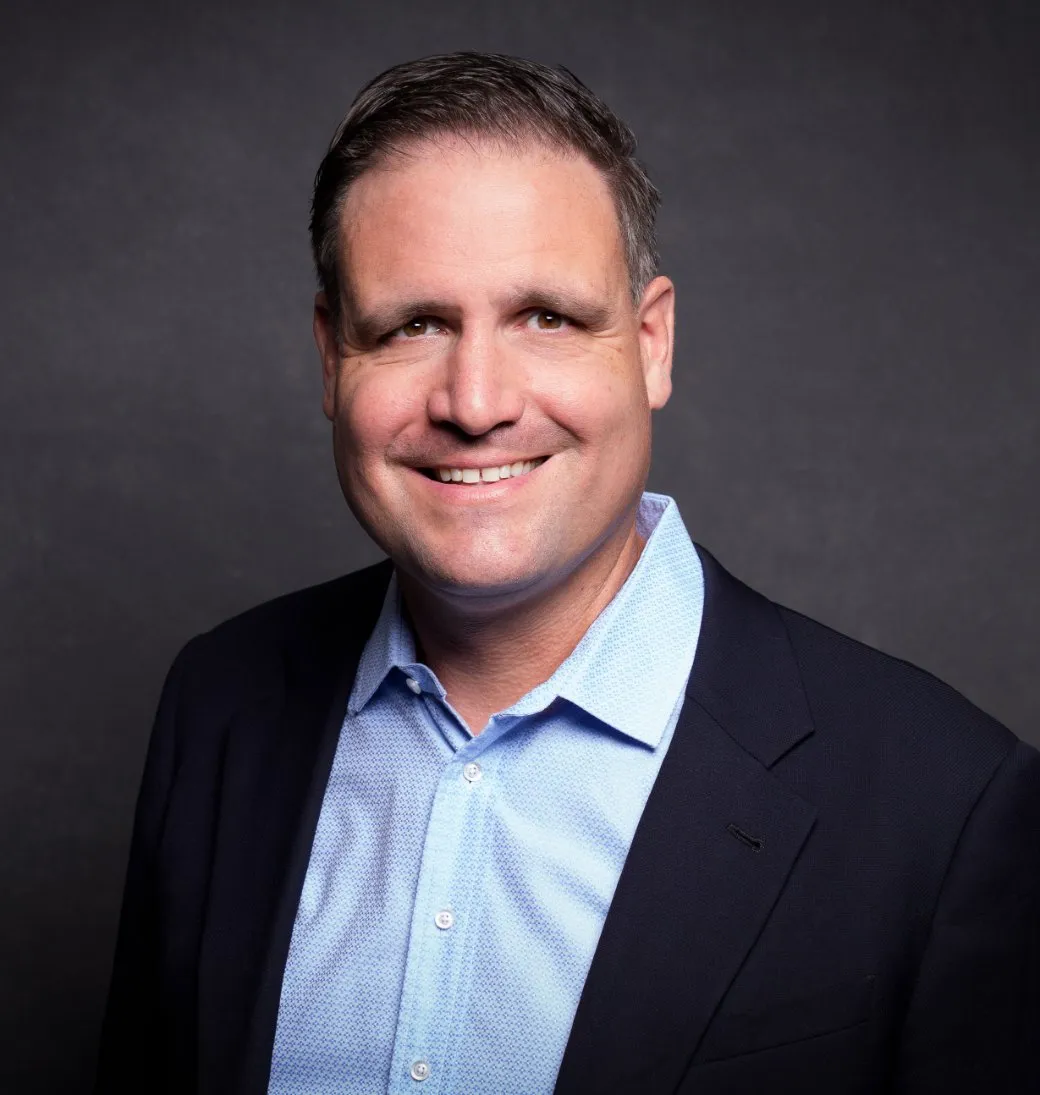
Crisis, restructuring, a leadership gap, succession: when several things press at once, a company does not need another analysis. It needs someone who leads and has done it before — as an advisor or as a leader on a temporary basis.Many mid-sized companies have been in a state of exception for years: markets turn, costs rise, technology and AI press in, key people are missing. These are the situations I work in — with experience across strategy, marketing, technology and operational leadership, most recently as CEO of a marketing agency with more than 100 employees (About me ↗).Today I take on mandates for owners of mid-sized companies, investors and executive teams.
Six situations cover most of what companies come to me with — from a sudden collapse in results to an orderly succession. Each heading opens to the specific services behind it.
When the issue is not optimisation but the ability to act: a collapse in results, liquidity pressure, a leader falling away, public scrutiny. In these situations what counts is speed, sequence and a cool head.
Typical starting point: the numbers turn faster than the organisation can react — liquidity under pressure, a key client gone, a gap in leadership. Within days I give the leadership team a reliable picture of the situation, secure the critical points and establish a decision-making rhythm for the crisis. The goal: a stabilised business and an orderly path back to normal operations.
Typical starting point: results below plan, too many open fronts at once, first warnings on margin or liquidity. I bring order to the situation, reduce the cost base and structure to the core that holds, and carry the measures through together with the executive team. The goal: a viable structure and a result that creates room to move again.
When a difficult message is due: restructuring, a change of ownership, public pressure. I plan the internal and external messages, their sequence and channels, prepare the speakers and stay alongside through the hot phase — drawing on years of communications, PR and crisis work.
When the business model is under pressure, when cost and structure no longer match revenue, or when two organisations have to become one. What decides the outcome is less the target picture than the path to it: what comes first, what deliberately waits, and whether the organisation can follow.
Typical starting point: the environment turns faster than the business model — new technologies, AI, changed customer behaviour, new competitors. The business still runs, but the foundation is eroding. I test the business model against these shifts, develop the direction together with the executive team and translate it into a restructuring that works in daily practice. The goal: a business model that holds in the changed environment.
Typical starting point: structures that have grown over time, historical duplication, fixed costs eating the margin. I identify what the business genuinely needs, negotiate the hard points alongside you — offshoring, system consolidation, real estate — and implement the new operating model with the line organisation. The goal: a cost base that matches the earnings situation.
Typical starting point: two companies, duplicated functions, unclear accountability. I run integrations in a fixed sequence: leadership structure and accountability first, then processes and systems, then the shared day-to-day. The goal: one unit that keeps its key clients and its key people.
When the business runs but does not grow — or when the market moves faster than your own presence. In many mid-sized companies marketing and sales are the thinnest area; for me they are a profession.
Where the next profitable growth comes from: clients, offerings, markets, pricing. I develop the direction with the executive team, prioritise by effort and effect, and stay with it until the first deals confirm the path.
Presence, channels, campaigns, funnel: from classic advertising through social media to CRM and email. I have run an agency group and know from both sides — client and agency — what creates effect and what merely consumes budget. The result: marketing that measurably contributes to revenue.
The technology behind marketing: CMS, campaign tools, customer data, automation, AI-supported content processes. I assess the stack, decide build-or-buy with you and carry the migration through into live operations.
Technology decisions have become a matter for the top — but rarely a competence at the top. Investments, architecture, AI: this calls for your own judgement rather than trust in vendor promises.
Typical starting point: no one in the house can judge your own IT landscape independently — what it delivers, what it costs, where the risks sit. I examine architecture, systems, contracts and team. The goal: a reliable picture and a prioritised roadmap — understandable for the executive team, concrete enough to implement.
Not the next tool, but changed ways of working: where AI brings time and quality in the core business, how teams are enabled, what it takes in terms of data, rules and leadership. The goal: AI-supported work that arrives in daily practice — measurable in time and quality.
Typical starting point: quotations, order processing, planning, reporting — the unspectacular processes where margin sits. I digitalise along the benefit: the process first, then the system, then the automation. The goal: less manual work in the routines that run every day.
For boards, owners and executive search partners: what does leadership need to know and be able to do about AI today — and how do you test that when filling a role? I write requirement profiles and assess candidates and leadership teams on technology and AI maturity. The goal: boards and appointments that can judge AI rather than merely delegate it.
A change of ownership is the most delicate moment for a mid-sized company — and for investors the moment when value is created or lost. I work on both sides of the table: with owners and with buyers.
Typical starting point: the company hangs on the owner — client relationships, knowledge, decisions. I make it ready to hand over: leadership, structures, clean foundations. The goal: a company a successor can run — and whose value can be negotiated.
For buyers, management teams and investors: commercial due diligence with an operator's eye, assessment of leadership and organisation, a 100-day plan after closing. The goal: a purchase decision with the full picture — including what the numbers do not show.
When a gap opens between the old and the new: leadership for a defined period, an orderly handover, coaching the incoming generation or the new management through the first months. The goal: a transition without a break in day-to-day business.
For companies with transformation, technology or a change of ownership on the agenda: I take on board and advisory board mandates — as an active member who knows these subjects from implementation. The goal: a body that enables decisions rather than merely supervising.
Whether strategy arrives in daily practice is decided by structures and leadership. Usually the problem is not the org chart but unclear accountability.
Typical starting point: too many interfaces, decisions that stall, everything running through the boss. I simplify roles, committees and decision paths. The goal: a structure that works without constant coordination — with unambiguous accountability.
An experienced counterpart for the decisions that cannot be delegated: confidential, direct, with disagreement where it is needed. As a regular standing appointment or selectively, ahead of major choices.
Making the second line strong: recognising potential, handing over responsibility, preparing successions. The goal: growth and handovers that do not depend on individuals.
When a key role is vacant or a phase demands more leadership than the organisation has — a vacancy, a turnaround, an integration, a build-up. I take the role in full, with targets, team and accountability for results, and hand it over in good order.
I take these mandates on personally, subject to availability — or I place them from a large network of executives and experts.
Application developer, strategy consultant, marketer, CEO. Six years of leadership and P&L responsibility in a marketing services firm, three of them as CEO. Before that, seven years in strategy and marketing roles in the pharmaceutical industry and five years in strategy consulting focused on pharma, biotech, chemicals and industrial goods.
Technology is not a department for me, it is a habit. A tech nerd at heart, I started in code and never stopped reading up and trying things myself. That is why I judge technology decisions from my own experience: what an undertaking really costs, where architecture decides success, when a vendor promises too much. As CEO I led IT migrations and an AI transformation — I use the tools I advise on myself.
Strategy from both perspectives: as a consultant at The Boston Consulting Group and inside a corporation. Portfolio, market access, technology, European campaign leadership. I develop strategies so the organisation can carry them: prioritised, scheduled, decidable.
Leadership in the line as well as in the corporate matrix, with and without formal authority, through integration, restructuring and market pressure rather than in steady state. Alongside that, board work as a member and as chairman.
From code to architecture: I judge technology from my own practice — build-or-buy, architecture decisions, and the question of what AI really changes in operations.
In mandates I work directly with owners, investors, executive teams or directly with the teams themselves; as a sole engagement or through a selected and proven network of partners and experts. My recommendations always come in the same format: recommendation, reasoning, risks, next step — stated openly, even when it is uncomfortable. In the end only one result counts: a business that works, not a slide deck.
Reach me by phone or email. Or book a slot directly — by phone, by video or in person. Confidential and without obligation. You describe your situation; I give a first assessment and propose a way forward. And I say so openly if I am not the right person for it.